
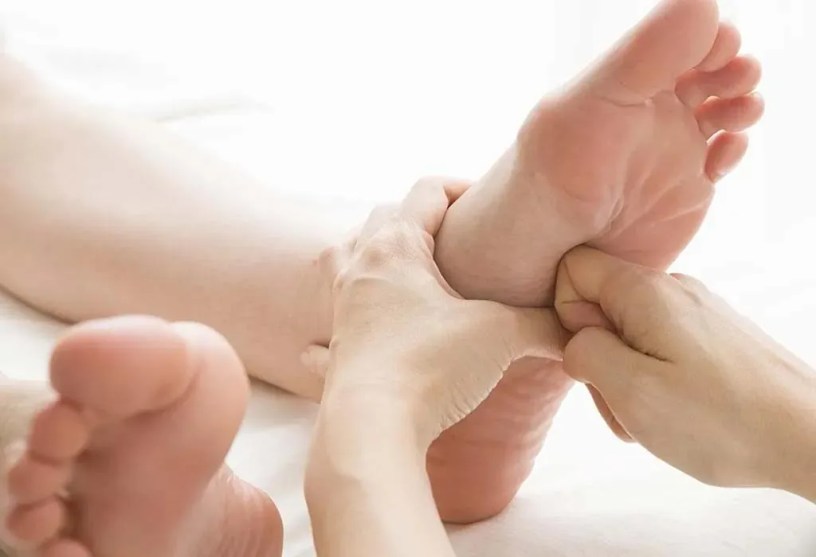
Acupressure is an ancient healing practice that has gained popularity in modern wellness circles. Rooted in Traditional Chinese Medicine (TCM), this technique utilizes the same principles as acupuncture but employs manual pressure instead of needles. By stimulating specific points on the body, acupressure aims to promote self-healing and restore balance. Let’s explore the origins, mechanisms, benefits, and techniques of this holistic approach to health.
The Origins of Acupressure
Acupressure has its roots in TCM, which dates back thousands of years. Practitioners of TCM believe that the body has an energy flow, known as “Qi” (pronounced “chee”), that circulates through meridians or pathways. Disruptions in this flow can lead to various health issues. Acupressure, therefore, involves applying pressure to specific points along these meridians to unblock energy, alleviate pain, and improve overall wellness.
Historically, acupressure has been used not only in China but also in Japan and other parts of Asia, each culture contributing its own techniques and interpretations. The practice encompasses a wide range of styles, from gentle massage to more vigorous pressure applications, and has been integrated into various forms of holistic health care.
How Acupressure Works
The fundamental principle behind acupressure lies in the belief that stimulating certain points can activate the body’s natural healing mechanisms. When pressure is applied to specific acupoints, it is thought to release endorphins, reduce muscle tension, and enhance blood circulation. This can help alleviate a variety of ailments, ranging from headaches to digestive issues.
In addition to physical benefits, acupressure can also have emotional and psychological effects. It may help reduce stress and anxiety by promoting relaxation. The holistic approach of acupressure addresses the interconnectedness of body and mind, supporting overall well-being.
The Benefits of Acupressure
- Pain Relief: One of the most widely recognized benefits of acupressure is its effectiveness in managing pain. It has been shown to help relieve headaches, neck pain, back pain, and menstrual cramps. By targeting specific acupoints, practitioners can help diminish discomfort and improve mobility.
- Stress Reduction: The pressures of daily life can lead to chronic stress, which affects physical and mental health. Acupressure promotes relaxation, helping to calm the mind and body. Techniques such as applying gentle pressure to the heart and pericardium points can significantly reduce stress levels.
- Digestive Health: Acupressure has also been used to address various digestive issues, including nausea, bloating, and constipation. For instance, applying pressure to the “P6” point, located on the inner forearm, is known to alleviate nausea and promote digestive comfort.
- Enhanced Sleep: Insomnia and sleep disturbances can be alleviated through acupressure. By targeting points associated with relaxation and tranquility, individuals may experience improved sleep quality and duration.
- Emotional Balance: Acupressure can play a role in emotional health, helping to alleviate symptoms of anxiety and depression. By stimulating points associated with emotional release, practitioners can help clients achieve a greater sense of balance.
Techniques for Self-Acupressure
While professional acupressure treatments are beneficial, many techniques can be practiced at home. Here are a few basic methods:
- Finding Acupoints: Familiarize yourself with common acupressure points. For instance, the “LI4” point, located between the thumb and index finger, is effective for relieving headaches and tension.
- Applying Pressure: Use your fingers, knuckles, or palms to apply firm, steady pressure to the acupoint. The pressure should be enough to feel discomfort but not pain. Hold the pressure for about 30 seconds to two minutes, breathing deeply and focusing on relaxation.
- Using Tools: Various tools, such as acupressure mats and balls, can enhance your self-treatment. These tools can help apply consistent pressure to multiple points simultaneously.
- Incorporating Breathwork: As you practice acupressure, integrate deep breathing techniques. This not only amplifies the effects of the pressure but also promotes relaxation and mindfulness.
Safety and Precautions
Acupressure is generally considered safe; however, certain precautions should be observed. Individuals with specific health conditions, such as pregnancy or bleeding disorders, should consult a healthcare professional before engaging in acupressure. It’s important to listen to your body and discontinue any technique that causes significant pain or discomfort.
Embracing Acupressure for Wellness
Acupressure offers a versatile, accessible method for promoting health and well-being. By understanding its origins, mechanisms, and practical applications, individuals can harness this ancient practice to address modern health challenges. Whether you seek relief from pain, stress reduction, or emotional balance, acupressure can be a valuable tool in your wellness toolkit.
 Health News Blog