
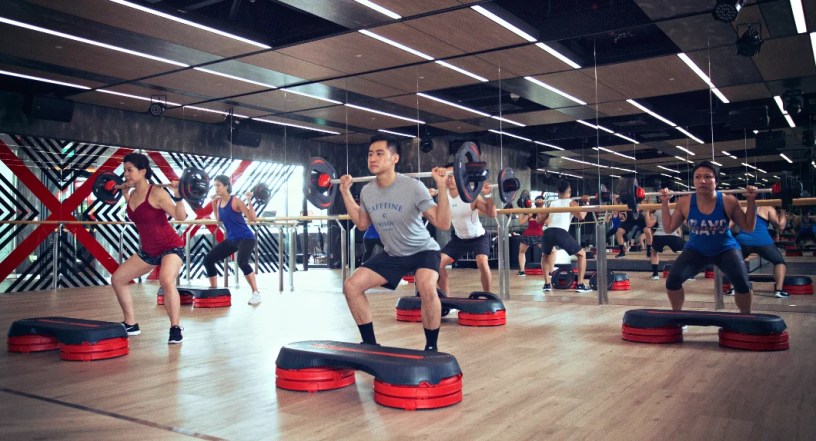
As environmental awareness grows globally, sustainability is no longer limited to recycling at home or reducing plastic use. In recent years, more people in Singapore are choosing lifestyle options that support both personal health and the planet. A notable trend is the rise of eco-conscious fitness centres. Choosing a gym Singapore that actively reduces its environmental impact allows members to pursue fitness goals while contributing to sustainability.
Eco-friendly gyms blend wellness with responsibility. They adopt innovative designs, technologies, and policies to minimise waste, save energy, and foster green habits among members. This approach appeals to Singaporeans who want their exercise routines to reflect broader values of environmental stewardship.
Why Sustainability in Fitness Matters
Gyms consume significant amounts of energy and resources. From lighting and air-conditioning to electronic fitness machines, the carbon footprint of a typical gym can be high. By adopting sustainable practices, fitness centres contribute to reducing environmental impact without compromising quality.
Key Environmental Concerns Linked to Gyms
-
Constant electricity usage for machines and lighting
-
Air-conditioning requirements in Singapore’s tropical climate
-
Water use for showers and cleaning
-
Single-use plastics from bottled drinks and packaging
Shifting towards sustainability not only benefits the planet but also educates members about eco-friendly living.
Features of an Eco-Friendly Gym
A green-focused gym Singapore does not rely on one single strategy. Instead, it incorporates a range of measures that collectively make a meaningful difference.
Energy-Efficient Equipment
-
Machines that generate electricity through kinetic energy
-
Treadmills designed to function without motors
-
LED lighting systems with motion sensors to reduce unnecessary consumption
Sustainable Design
-
Natural ventilation and lighting in gym layouts
-
Use of recycled or locally sourced building materials
-
Indoor plants that improve air quality
Waste Reduction Initiatives
-
Encouraging members to bring reusable bottles
-
Providing refillable water stations
-
Eliminating single-use plastics in cafés or vending areas
Responsible Cleaning Practices
-
Eco-friendly cleaning agents that are biodegradable
-
Water-efficient showers and toilets
-
Reduced chemical use for maintenance
By adopting these features, gyms create healthier environments for both members and the community.
Benefits of Eco-Friendly Gyms for Members
The sustainability movement is not only about the planet, but also about improving the fitness experience for members.
Healthier Atmosphere
Air-purifying plants, non-toxic cleaning products, and improved ventilation create cleaner spaces to exercise in.
Long-Term Cost Savings
Energy-efficient operations often lower running costs, which can translate into competitive membership rates.
Community Connection
Joining an eco-conscious gym builds a sense of belonging among people who share values of health and sustainability.
Enhanced Motivation
Knowing that every workout contributes to environmental goals can inspire members to remain consistent.
How Sustainability Shapes Fitness Culture in Singapore
The integration of eco-friendly practices into gyms reflects a wider cultural shift. Singapore has already embraced green building designs, sustainable transport, and recycling programmes. Extending this mindset to fitness is a natural progression.
Cultural Impacts
-
Normalising eco-conscious behaviour in daily routines
-
Raising awareness about personal carbon footprints
-
Encouraging members to apply sustainable habits outside the gym
By embedding green practices into fitness, gyms become role models for sustainable living.
Examples of Eco-Friendly Practices Globally and Locally
Internationally, some gyms have pioneered electricity-generating bikes and sustainable flooring. In Singapore, gyms are increasingly adopting smaller yet impactful measures like refill stations, LED lighting, and eco-friendly cleaning.
Local Trends in Singapore
-
Partnerships with sustainability initiatives
-
Gym cafés offering organic, locally sourced meals
-
Facilities encouraging members to cycle or walk to the gym instead of driving
These efforts show that sustainability is practical and achievable, even in busy urban areas.
Challenges of Running Eco-Friendly Gyms
Despite the benefits, there are challenges in making gyms sustainable.
Initial Costs
Energy-efficient machines and eco-certified materials often cost more upfront.
Behavioural Change
Not all members may immediately adopt green habits like bringing reusable bottles.
Balancing Comfort and Sustainability
Air-conditioning remains essential in Singapore’s climate, so gyms must find innovative ways to balance member comfort with energy efficiency.
Addressing these challenges requires creativity and long-term planning.
The Role of Technology in Eco-Fitness
Technology has played a crucial role in making gyms more sustainable.
Smart Energy Management
-
Automated lighting and air-conditioning systems that adjust based on usage
-
Tracking energy consumption through digital dashboards
Eco-Friendly Workout Equipment
-
Spin bikes that generate renewable energy
-
Interactive apps that track eco-savings along with calories burned
These innovations not only reduce environmental impact but also enhance member engagement.
Why TFX Aligns with Modern Fitness Trends
Forward-thinking gyms in Singapore such as TFX have embraced diverse approaches to wellness, including sustainable design and innovation. By creating spaces that support long-term health while respecting the environment, such gyms embody the evolving relationship between fitness and sustainability.
FAQs About Eco-Friendly Gyms in Singapore
Q. Do eco-friendly gyms cost more to join?
A. Not always. While some facilities may have higher initial investment, many offset costs through energy savings, which allows them to keep memberships competitive.
Q. Can eco-friendly gyms still provide air-conditioning in Singapore’s hot climate?
A. Yes. Many adopt energy-efficient cooling systems or hybrid ventilation that balance comfort with reduced consumption.
Q. How do I know if a gym is truly eco-friendly?
A. Look for certifications, visible sustainability initiatives, and transparent communication about green practices.
Q. Do eco-friendly gyms compromise on equipment variety?
A. No. Many offer the same range of machines, but with models that are energy-efficient or non-motorised.
Q. How can members contribute to sustainability in gyms?
A. Simple steps like bringing reusable bottles, using refill stations, and respecting eco-friendly policies support the gym’s efforts.
 Health News Blog