
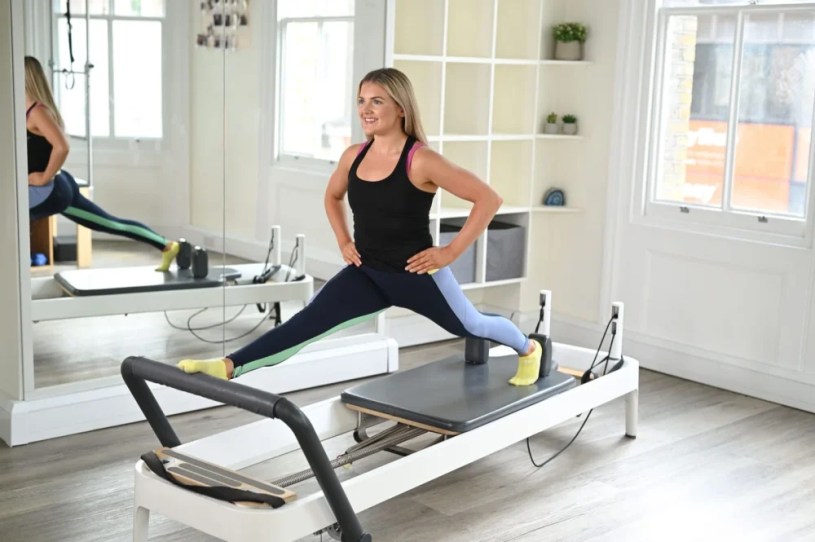
In a city as fast-paced as Singapore, mental fatigue is often just as common as physical exhaustion. The daily rhythm of work, technology, and constant deadlines can easily lead to stress, poor sleep, and a lack of focus. While many turn to yoga or meditation for mental clarity, one practice bridges physical movement and mental calm in a unique way — reformer pilates Singapore. Beyond building strength and flexibility, Reformer Pilates enhances brain health by stimulating neural pathways, improving focus, and regulating stress responses. It is movement with purpose — a mindful system that nurtures both body and mind.
The Mind-Body Connection: More Than a Fitness Trend
Modern neuroscience supports what Pilates practitioners have long known — that mindful, coordinated movement strengthens brain function. Reformer Pilates engages the mind as much as the muscles. Each exercise demands awareness, timing, and control, forcing the brain to communicate efficiently with the body.
This mind-body integration promotes neuroplasticity, the brain’s ability to form new neural connections. In other words, every time you execute a controlled movement on the Reformer, your brain learns and adapts. This continuous feedback loop not only improves coordination but also sharpens focus and memory over time.
For busy professionals in Singapore who spend long hours multitasking, this form of movement acts as a neurological reset, replacing stress-induced rigidity with mindful awareness and clarity.
Understanding How Reformer Pilates Affects the Brain
Reformer Pilates impacts the nervous system through three key mechanisms — mindful movement, breath regulation, and sensory stimulation.
-
Mindful movement: The Reformer’s dynamic resistance demands concentration and precision. As you move against the springs, your brain continuously adjusts muscle activation to maintain balance and form. This process improves sensory-motor integration and strengthens neural efficiency.
-
Breath regulation: Controlled breathing lowers cortisol (the primary stress hormone) and activates the parasympathetic nervous system, which calms the body. Over time, this promotes resilience against chronic stress.
-
Sensory stimulation: The Reformer challenges proprioception — the body’s sense of spatial awareness. Each exercise improves balance and coordination, refining how the brain interprets and responds to movement.
Together, these mechanisms contribute to better mental health, emotional balance, and cognitive sharpness.
Reducing Stress Through Movement and Breath
In Singapore’s corporate environment, high stress is a common experience. Prolonged stress increases cortisol and adrenaline, leading to anxiety, fatigue, and even burnout. Reformer Pilates offers a practical antidote by integrating focused breathing with deliberate motion.
When practitioners synchronise breath with movement, oxygen flow to the brain increases, lowering tension and promoting relaxation. This is similar to the effects of meditation, but achieved through active engagement rather than stillness. Over time, consistent practice teaches the nervous system to stay calm under pressure, improving emotional regulation and decision-making.
The Science of Mindful Repetition
Unlike high-intensity workouts that rely on adrenaline and repetition, Reformer Pilates emphasises mindful repetition — controlled movements that encourage awareness rather than speed. This deliberate pacing trains both focus and discipline, improving concentration over time.
Incorporating repetitive, symmetrical movements also supports bilateral coordination, activating both hemispheres of the brain. For those in mentally demanding professions, this can translate into clearer thinking and better task management throughout the day.
Reformer Pilates and Cognitive Longevity
Cognitive decline is a growing concern as people age, particularly in high-stress societies like Singapore. Studies have shown that movement practices combining coordination, rhythm, and focus — such as Pilates — stimulate brain regions involved in memory, learning, and executive function.
By improving circulation and oxygen delivery to the brain, Reformer Pilates enhances cognitive resilience. It encourages mental alertness and reduces the risk of stress-related disorders, supporting long-term neurological health.
Emotional Regulation and Mental Clarity
Emotions are deeply connected to physical states. Poor posture, shallow breathing, and muscle tension often accompany emotional distress. Reformer Pilates rebalances these patterns. Through upright, aligned movement, it helps the body release stored tension, which in turn stabilises emotional responses.
Practitioners often report feeling calmer and more grounded after class. The focus required during movement reduces mental clutter, creating a meditative rhythm that clears the mind without requiring stillness. Over time, this builds mental clarity and emotional awareness that extend beyond the studio.
Reformer Pilates as a Complement to Modern Work Culture
Singapore’s professional landscape is fast-paced, competitive, and technology-driven. Many individuals find themselves in constant “fight or flight” mode, with little time to decompress. Reformer Pilates serves as a counterbalance — a structured hour that slows the body and trains the mind to be present.
Unlike passive relaxation methods, it promotes active mindfulness — awareness in motion. This active calm carries over to daily life, helping individuals remain composed during meetings, manage workload pressures, and maintain sharper focus even after long workdays.
The Neurological Power of Precision and Flow
Every Reformer Pilates session follows a rhythm: push, pull, lengthen, and release. This repetitive structure encourages the brain to find flow — a state of effortless focus where actions feel intuitive and time seems to slow. Psychologists describe this as one of the most productive mental states for creativity and problem-solving.
The flow achieved in Pilates isn’t accidental. It results from the alignment of breath, movement, and concentration — a harmony that strengthens mental resilience. With regular practice, individuals find themselves better equipped to handle stress and maintain focus throughout the day.
Practical Tips for Achieving Mental Balance Through Reformer Pilates
To experience the neurological benefits of Reformer Pilates fully, consistency and intention are essential. The following tips can help practitioners maximise their results:
-
Focus on form, not intensity: Precision matters more than speed. Each controlled movement trains your brain to process motion efficiently.
-
Synchronise breath and movement: Deep, rhythmic breathing enhances oxygen flow and mental clarity.
-
Stay present: Concentrate on how each muscle feels, not just how it moves.
-
Reflect post-session: Take a few minutes after class to notice the difference in mental state.
-
Maintain regular practice: Two to three sessions per week promote lasting neurological benefits.
These small habits turn Reformer Pilates into a form of moving meditation that fits seamlessly into a busy urban lifestyle.
The Role of Instructors in Mindful Training
A skilled instructor can significantly enhance the mental benefits of Pilates by guiding attention to subtle movement patterns and breathing cues. Their verbal guidance encourages mindfulness and ensures exercises are performed with the right intention.
Studios such as Yoga Edition provide an ideal environment for this kind of conscious training, focusing on body awareness, breath connection, and mental relaxation. Their approach creates a space where physical conditioning and cognitive renewal coexist harmoniously.
FAQs
Q1: How does Reformer Pilates improve focus and mental clarity?
Each exercise demands precise coordination and concentration, which strengthens the neural connections between body and mind. This process enhances focus, attention span, and decision-making ability.
Q2: Can Reformer Pilates help with anxiety or sleep problems?
Yes. The controlled breathing and mindful movement reduce cortisol levels, promoting relaxation and better sleep quality. Many practitioners report improved emotional balance and reduced anxiety after regular sessions.
Q3: Is Reformer Pilates suitable for beginners seeking stress relief?
Absolutely. Instructors can adjust resistance and movement complexity based on comfort level. Even gentle sessions can significantly improve calmness and focus.
Q4: How soon can mental benefits be felt?
Many notice immediate improvements in mood and stress levels after just one session. Long-term cognitive benefits typically emerge after consistent practice for six to eight weeks.
Q5: Does Reformer Pilates help with work performance?
Yes. Improved focus, posture, and stress management contribute directly to higher productivity, better communication, and sharper problem-solving skills in professional environments.
For those navigating Singapore’s demanding pace, Reformer Pilates offers more than physical conditioning. It is a mental discipline that restores balance, enhances brain function, and cultivates a calmer, clearer way of thinking — helping individuals not only move better but live more mindfully every day.
 Health News Blog